Nervous SystemSistema nervioso
You're not broken, and you're not overreacting. Your nervous system is doing its job.No estás rota ni estás exagerando. Tu sistema nervioso está haciendo su trabajo.
Polyvagal Theory: Why Safety Comes FirstTeoría polivagal: por qué la seguridad va primero
Polyvagal theory helps explain why we move between calm, anxiety, and shutdown, often without choosing to. Understanding it can change how you relate to your own reactions.La teoría polivagal ayuda a explicar por qué nos movemos entre la calma, la ansiedad y el bloqueo, muchas veces sin elegirlo. Entenderla puede cambiar la forma en que te relacionas con tus propias reacciones.
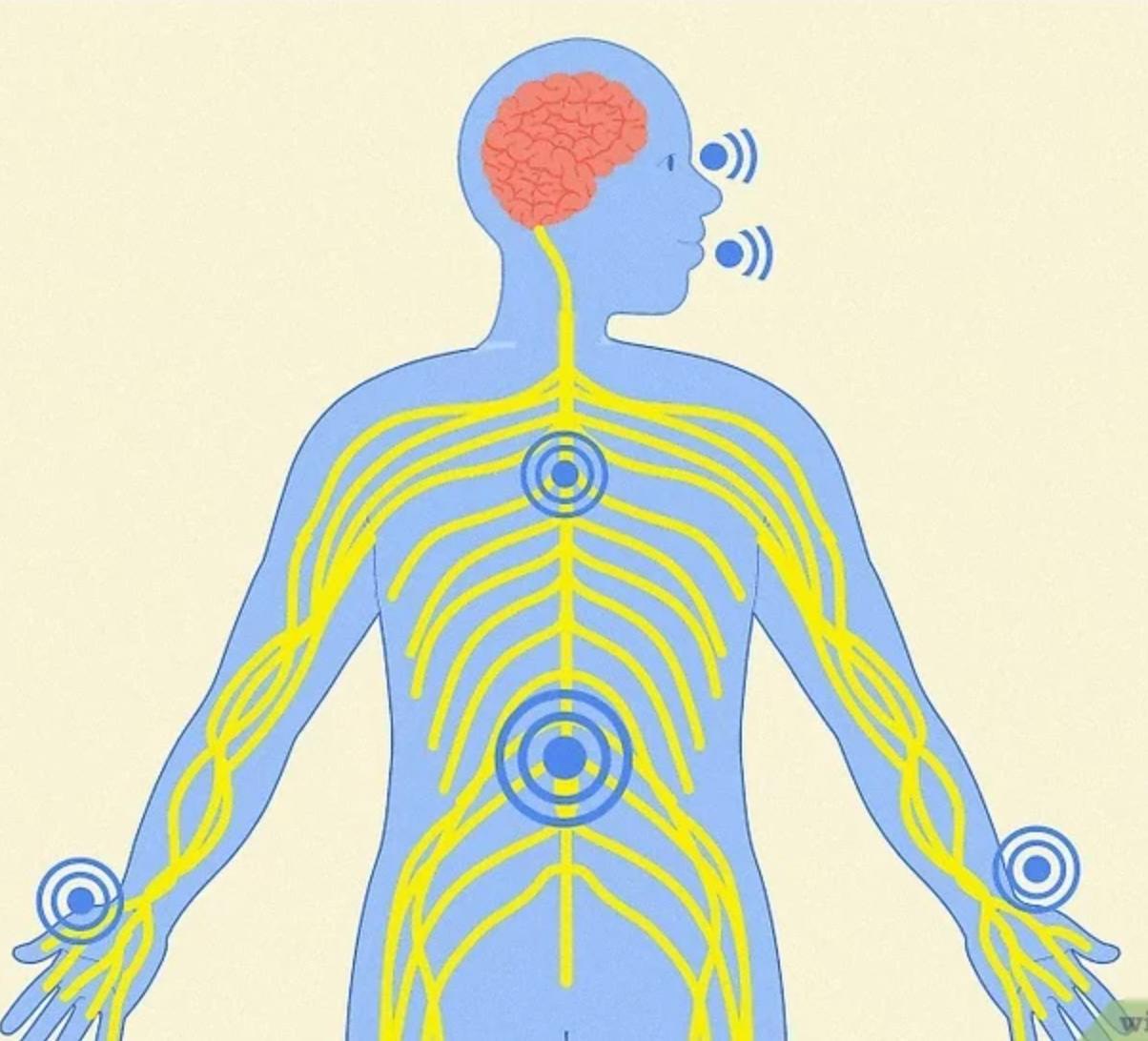
The Polyvagal Theory was developed by Stephen Porges and explains how the autonomic nervous system responds to safety, danger, and life-threatening situations. It is widely used in trauma-informed therapy, attachment work, and Emotionally Focused Therapy (EFT).
The Three Nervous System States
1. Ventral Vagal State (Safety & Connection)
When the nervous system perceives safety, people are able to:
- Feel calm and grounded
- Connect with others
- Communicate effectively
- Think clearly and solve problems
- Experience curiosity, compassion, and playfulness
Examples: Feeling comfortable with a trusted partner, enjoying time with friends, or feeling confident during a therapy session.
2. Sympathetic State (Fight or Flight)
When the nervous system detects danger, it mobilizes for action:
- Anxiety
- Anger or irritability
- Hypervigilance
- Racing thoughts
- Increased heart rate
- Urge to escape or confront
Examples: Arguing with a spouse, receiving a threatening text, or feeling overwhelmed by work stress.
3. Dorsal Vagal State (Shutdown or Freeze)
When the nervous system perceives extreme threat or helplessness, it conserves energy:
- Emotional numbness
- Disconnection
- Depression-like symptoms
- Exhaustion
- Feeling stuck or hopeless
- Withdrawal from others
Examples: Shutting down during conflict, feeling emotionally detached after trauma, or wanting to isolate.
How It Helps in Therapy
For clients experiencing trauma, anxiety, or relationship distress, the Polyvagal Theory helps them:
- Recognize body cues that signal stress or safety.
- Understand that reactions are nervous system responses, not character flaws.
- Build self-regulation skills.
- Increase feelings of safety in relationships.
- Improve emotional attunement and connection with partners.
La Teoría Polivagal fue desarrollada por Stephen Porges y explica cómo el sistema nervioso autónomo responde a la seguridad, el peligro y las situaciones que amenazan la vida. Se utiliza ampliamente en la terapia informada por el trauma, el trabajo de apego y la Terapia Centrada en las Emociones (EFT).
Los tres estados del sistema nervioso
1. Estado vagal ventral (seguridad y conexión)
Cuando el sistema nervioso percibe seguridad, las personas pueden:
- Sentirse en calma y con los pies en la tierra
- Conectar con otras personas
- Comunicarse con eficacia
- Pensar con claridad y resolver problemas
- Experimentar curiosidad, compasión y juego
Ejemplos: sentirse cómoda con una pareja de confianza, disfrutar tiempo con amistades o sentirse segura durante una sesión de terapia.
2. Estado simpático (lucha o huida)
Cuando el sistema nervioso detecta peligro, se moviliza para actuar:
- Ansiedad
- Enojo o irritabilidad
- Hipervigilancia
- Pensamientos acelerados
- Aumento del ritmo cardíaco
- Impulso de escapar o confrontar
Ejemplos: discutir con la pareja, recibir un mensaje amenazante o sentirse abrumada por el estrés laboral.
3. Estado vagal dorsal (bloqueo o congelamiento)
Cuando el sistema nervioso percibe una amenaza extrema o impotencia, conserva energía:
- Adormecimiento emocional
- Desconexión
- Síntomas parecidos a la depresión
- Agotamiento
- Sentirse estancada o sin esperanza
- Aislamiento de los demás
Ejemplos: bloquearse durante un conflicto, sentirse emocionalmente desconectada después de un trauma o querer aislarse.
Cómo ayuda en la terapia
Para personas que atraviesan trauma, ansiedad o conflictos en sus relaciones, la Teoría Polivagal les ayuda a:
- Reconocer las señales del cuerpo que indican estrés o seguridad.
- Comprender que las reacciones son respuestas del sistema nervioso, no defectos de carácter.
- Desarrollar habilidades de autorregulación.
- Aumentar la sensación de seguridad en sus relaciones.
- Mejorar la sintonía emocional y la conexión con la pareja.
Ready when you are.Cuando estés lista, aquí estoy.
Book a free 15-minute consultation and we'll talk it through, in English or Spanish.Agenda una consulta gratis de 15 minutos y lo hablamos, en inglés o español.